
When writing about geographic locations, proper Lake Texoma Should Be Capitalized is an essential part of professional communication. One phrase that often raises questions among writers, bloggers, marketers, and content creators is whether “Lake Texoma” should be capitalized. The answer is simple: Lake Texoma should be capitalized in professional content because it is a proper noun and the official name of a specific geographic location.
Using correct capitalization helps maintain credibility, improves readability, and ensures consistency across digital and print publications. Whether you are creating travel guides, tourism articles, educational materials, business content, or SEO-focused blog posts, understanding the proper way to write Lake Texoma is important.
Understanding What Lake Texoma Is
Lake Texoma is one of the largest reservoirs in the United States. It is located on the border between Texas and Oklahoma and was formed by the construction of the Denison Dam on the Red River. The lake attracts millions of visitors annually for recreational activities such as boating, fishing, camping, hiking, and water sports.
Because Lake Texoma refers to a specific place with a recognized name, it falls under the category of a proper noun. Proper nouns always begin with capital letters, making “Lake Texoma” the correct form in all professional and formal writing.
Why Proper Nouns Require Capitalization
In English grammar, proper nouns identify unique people, places, organizations, or things. Unlike common nouns, which describe general categories, proper nouns refer to specific entities. Examples include New York City, the Grand Canyon, and Lake Texoma.
Capitalizing proper nouns helps readers immediately recognize that the term refers to a particular location rather than a general object. Writing “lake texoma” in lowercase can appear careless and may reduce the professional quality of your content.
The Official Name Matters
The official name of the reservoir is Lake Texoma. The word “Lake” is part of the proper name rather than merely a descriptive term. Therefore, both words should begin with capital letters whenever the full name is used.
Many writers mistakenly assume that only “Texoma” should be capitalized. However, because “Lake” is included in the official name, omitting capitalization creates a grammatical error. Professional editors and style guides consistently recommend capitalizing the complete name.
Common Capitalization Mistakes
One of the most common mistakes is writing the location as “lake texoma” or “Lake texoma.” Both versions are incorrect because they fail to capitalize all parts of the official name.
Another mistake occurs when writers inconsistently capitalize the term throughout an article. For example, using “Lake Texoma” in one paragraph and “lake texoma” in another creates inconsistency that can negatively affect readability and professionalism.
Maintaining the same capitalization throughout a document demonstrates attention to detail and strengthens the overall quality of the content.
The Importance of Capitalization in Professional Writing
Professional writing requires accuracy in grammar, spelling, punctuation, and formatting. Proper capitalization contributes to a polished appearance that readers expect from reputable websites, publications, and businesses.
When geographic names are written correctly, readers can easily identify locations and trust the information being presented. Incorrect capitalization may seem minor, but repeated errors can damage a brand’s credibility and make content appear unprofessional.
This is particularly important for companies operating in tourism, real estate, hospitality, and outdoor recreation industries that frequently reference Lake Texoma in marketing materials.
How Capitalization Affects SEO
Search engine optimization focuses on creating high-quality content that provides value to readers while remaining easy to understand. Although search engines generally recognize keywords regardless of capitalization, proper capitalization still benefits SEO efforts.
Well-formatted content improves user experience, which is an important factor in modern search engine rankings. Readers are more likely to engage with professionally written articles that follow standard grammar rules.
Additionally, using the correct version of “Lake Texoma” helps establish topical relevance and authority when creating location-based content related to tourism, travel, fishing, boating, or local attractions.
Writing About Lake Texoma in Travel Content
Travel writers frequently mention Lake Texoma when discussing outdoor recreation opportunities in Texas and Oklahoma. Correct capitalization ensures that destination guides appear authoritative and trustworthy.
Visitors researching the area often rely on online articles for accurate information. Using the official name consistently helps reinforce the identity of the destination while maintaining professional writing standards.
Whether discussing marinas, campgrounds, fishing spots, resorts, or recreational activities, writers should always capitalize both words in the name.
Usage in Business and Marketing Materials
Businesses serving tourists and residents around Lake Texoma regularly reference the location in advertisements, brochures, websites, and social media campaigns. Proper capitalization strengthens branding efforts and enhances professional presentation.
Customers tend to trust businesses that communicate clearly and accurately. Small details such as capitalization contribute to the perception of quality and reliability.
Marketing content that consistently uses “Lake Texoma” demonstrates professionalism and attention to detail, helping businesses create a stronger impression on potential customers.
Academic and Educational Writing Standards
Educational institutions, researchers, and students often discuss geographic regions in reports and academic papers. In these contexts, adherence to grammar and style conventions is especially important.
Academic writing standards require proper nouns to be capitalized correctly. Since Lake Texoma is a recognized geographic location, its name should always appear with both words capitalized.
Following accepted grammatical rules ensures clarity and maintains the credibility of scholarly work.
Style Guide Recommendations
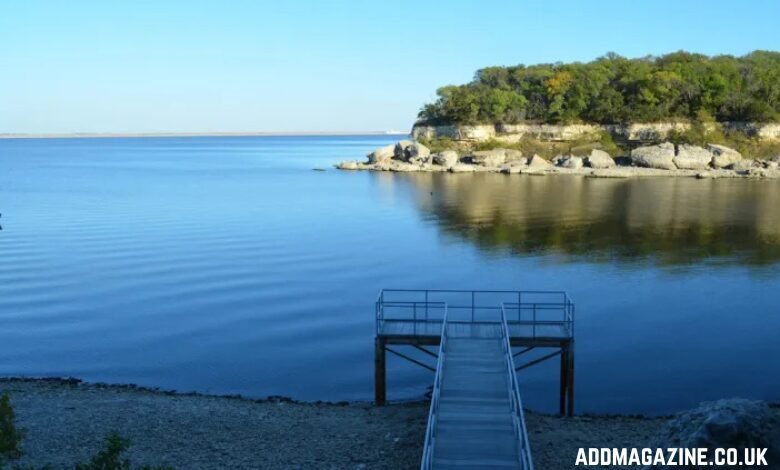
Most major style guides support Lake Texoma Should Be Capitalized official geographic names. Organizations that follow editorial standards such as journalism outlets, publishing houses, educational institutions, and government agencies consistently capitalize named lakes, rivers, mountains, and other landmarks.
Examples include Lake Michigan, Lake Tahoe, Lake Superior, and Lake Texoma. Because these names identify specific locations, each component of the official name receives capitalization.
Writers who follow established style guidelines create content that aligns with professional publishing standards.
When the Word “Lake” May Not Be Capitalized
There are situations where the word “lake” may appear in lowercase. This generally occurs when the word is used as a common noun rather than part of an official name.
For example, a sentence such as “The lake attracts thousands of visitors each year” uses “lake” generically and does not require capitalization. However, once the official name is mentioned, capitalization becomes necessary.
Correct: Visitors enjoy fishing at Lake Texoma.
Correct: The lake is known for excellent striped bass fishing.
Understanding this distinction helps writers apply capitalization rules accurately.
Building Trust Through Accurate Writing
Readers often judge content quality based on details. Accurate capitalization signals professionalism, while errors can create doubt about the reliability of the information being presented.
In competitive industries such as travel blogging, tourism marketing, and local business promotion, maintaining high editorial standards can make a significant difference. Properly writing “Lake Texoma” demonstrates respect for the location and attention to grammatical accuracy.
Small improvements in writing quality often contribute to better user engagement and a stronger reputation over time.
Conclusion
The answer is clear: Lake Texoma should be capitalized in professional content. As the official name of a specific geographic location, it is a proper noun and requires capitalization of both “Lake” and “Texoma.” Correct usage enhances professionalism, improves readability, supports editorial consistency, and helps establish credibility across all forms of content.
Whether you are writing a travel guide, academic paper, business website, tourism brochure, blog article, or marketing campaign, consistently using the correct form—Lake Texoma—ensures that your content meets professional writing standards and reflects attention to detail. Proper capitalization may seem like a small detail, but it plays an important role in creating clear, accurate, and trustworthy content.
FAQs About Whether Lake Texoma Should Be Capitalized
1. Should Lake Texoma be capitalized in professional content?
Yes, Lake Texoma should always be capitalized in professional content because it is the official name of a specific geographic location. As a proper noun, both words must begin with capital letters. Using the correct capitalization helps maintain grammatical accuracy, improves readability, and ensures your content appears professional. Whether you are writing a blog post, travel guide, business website, or academic paper, consistently using “Lake Texoma” is the correct and accepted writing standard.
2. Why is Lake Texoma considered a proper noun?
Lake Texoma is considered a proper noun because it identifies a unique and specific place rather than a general lake. Proper nouns are used for official names of people, places, organizations, and landmarks. Since Lake Texoma refers to a particular reservoir located on the Texas-Oklahoma border, it requires capitalization. Proper noun capitalization helps readers recognize that the term refers to a specific location rather than a generic body of water.
3. Is it incorrect to write lake texoma in lowercase?
Yes, writing “lake texoma” entirely in lowercase is grammatically incorrect when referring to the official name of the reservoir. Professional writing standards require proper nouns to be capitalized. Using lowercase letters can make content appear less polished and may reduce credibility. Consistent capitalization is especially important in published articles, marketing materials, travel guides, and educational content where accuracy and professionalism matter.
4. Does SEO require that Lake Texoma should be capitalized?
Search engines can generally understand keywords regardless of capitalization, but Lake Texoma should still be capitalized for SEO content. Proper capitalization improves user experience, enhances readability, and demonstrates editorial quality. Well-written content is more likely to engage readers and encourage longer page visits. While capitalization itself may not directly affect rankings, maintaining professional writing standards contributes to the overall quality of SEO-focused content.
5. Should Lake Texoma be capitalized in blog articles?
Yes, Lake Texoma should always be capitalized in blog articles. Whether the article discusses fishing, boating, camping, tourism, or local attractions, using the official name correctly is important. Proper capitalization reflects professionalism and helps readers identify the location accurately. Consistency throughout the article also strengthens the overall quality of the content and prevents confusion among readers seeking reliable information.
6. Do travel writers capitalize Lake Texoma?
Professional travel writers capitalize Lake Texoma because it is the official name of a well-known destination. Travel content often relies on accuracy and credibility to help readers plan trips and activities. Correctly capitalizing geographic names ensures that articles meet accepted writing standards. It also demonstrates respect for the destination and helps establish trust with audiences looking for dependable travel information.
7. Should Lake Texoma be capitalized in business marketing materials?
Yes, businesses should capitalize Lake Texoma in all marketing materials. Brochures, websites, advertisements, social media posts, and promotional content should use the official name correctly. Proper capitalization contributes to a professional brand image and improves communication with customers. Businesses that pay attention to grammatical details often appear more trustworthy and reliable, which can positively influence customer perceptions.
8. Are there style guides that support capitalizing Lake Texoma?
Most major editorial and grammar style guides support capitalizing official geographic names such as Lake Texoma. The same rule applies to names like Lake Michigan, Lake Tahoe, and Lake Superior. Since these names identify specific places, all major words in the official title are capitalized. Following recognized style guide recommendations helps writers maintain consistency and meet professional publishing standards.
9. Can the word lake be lowercase when referring to Lake Texoma?
The word “lake” can be lowercase only when it is used as a general noun rather than part of the official name. For example, “The lake attracts visitors throughout the year” is correct because the word is used generically. However, when referring to the official name, “Lake Texoma” should always be capitalized. Understanding this distinction helps writers apply capitalization rules correctly.
10. Why does proper capitalization matter for Lake Texoma?
Proper capitalization matters because it improves clarity, professionalism, and credibility. Readers expect official place names to follow standard grammar rules. Using “Lake Texoma” correctly shows attention to detail and helps create high-quality content. Whether writing for educational, business, travel, or marketing purposes, accurate capitalization contributes to a more polished and trustworthy presentation that reflects strong writing standards.
