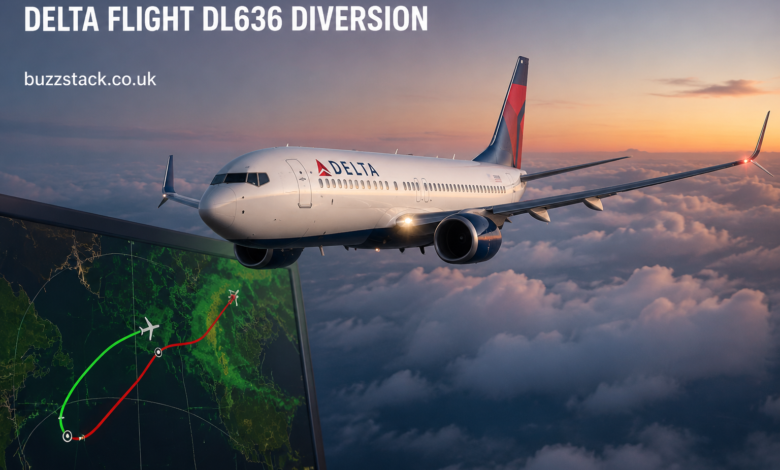
The Delta Flight DL636 diversion incident drew attention after the aircraft altered its planned route mid-flight due to operational and safety considerations. The flight, operated by Delta Air Lines, was originally scheduled to complete a standard domestic route but was redirected to an alternate airport.
Passengers reported an unexpected change in altitude and cabin announcements explaining the diversion. While such situations are uncommon, they are part of aviation safety protocols designed to protect passengers and crew.
This event quickly became a topic of discussion among travelers and aviation observers due to its sudden nature and mid-route decision-making process.
Quick Bio Table
| Category | Details |
| Flight Number | DL636 |
| Operator | Delta Air Lines |
| Incident Type | Diversion during flight |
| Route Status | Interrupted and redirected |
| Primary Focus | Safety-related operational response |
| Passenger Impact | Delayed arrival, rerouting |
| Aviation Category | Commercial passenger flight |
Delta Flight DL636 Diversion Timeline of Events
The Delta Flight DL636 diversion began during the cruising phase of the journey when the flight crew detected conditions requiring attention. Shortly after, communication was made to air traffic control requesting an alternate landing location.
The aircraft adjusted its route gradually, maintaining controlled altitude changes while following standard aviation procedures. Passengers were informed by the cabin crew once the diversion decision was finalized.
The landing occurred safely at the alternate airport, where ground teams were already prepared for arrival. No immediate injuries were reported, and passengers were later rebooked or assisted accordingly.
Delta Flight DL636 Diversion Causes and Investigation
Preliminary reports surrounding the Delta Flight DL636 diversion suggest that the decision was influenced by technical monitoring alerts or operational concerns. Airlines typically do not proceed with diversions unless safety thresholds require immediate action.
Investigators usually review flight data recorders, cockpit communication logs, and maintenance records following such incidents. These steps help determine whether the diversion was precautionary or triggered by mechanical irregularities.
The airline emphasized that safety remains the top priority, and diversions are executed only when necessary conditions are met during flight operations.
Passenger Experience During Delta Flight DL636 Diversion
Passengers aboard the Delta Flight DL636 diversion described a mix of confusion and reassurance as announcements were made. Cabin crew members followed standard procedures to maintain calm and provide updates throughout the flight.
Some travelers noted that the aircraft movement remained steady despite the route change. Others mentioned slight delays in reaching their final destination but appreciated the transparency provided during the situation.
Once landed, passengers were guided through rebooking processes, hotel arrangements where required, and customer support channels offered by the airline.
Airline Response to Delta Flight DL636 Diversion
Following the Delta Flight DL636 diversion, Delta Air Lines issued statements confirming that the diversion was precautionary. The airline highlighted that such decisions are made in coordination with flight safety teams and air traffic control.
Ground support teams were deployed to assist passengers upon landing, ensuring smooth transitions to alternate flights. Customer service teams also worked to minimize travel disruption and provide compensation where applicable.
The airline reiterated its commitment to safety-first operations, stating that diversions, while inconvenient, are a critical part of aviation risk management.
Aviation Safety Protocols in Delta Flight DL636 Diversion
The Delta Flight DL636 diversion highlights the importance of strict aviation safety systems. Commercial aircraft are equipped with multiple monitoring tools that continuously evaluate engine performance, weather conditions, and onboard systems.
When irregular readings are detected, pilots are trained to evaluate options including continuation, altitude adjustment, or diversion. The final decision is always made with passenger safety as the primary factor.
Air traffic control also plays a key role in coordinating emergency routing, ensuring that alternate airports are ready for safe landing procedures.
Operational Impact of Delta Flight DL636 Diversion
The Delta Flight DL636 diversion caused minor scheduling disruptions across connecting flights and airport operations. Aircraft rotations were adjusted to accommodate the unexpected landing.
Such diversions often create ripple effects in airline scheduling systems, especially when aircraft are reassigned to cover missed routes. However, airlines typically recover operations within a short time window.
Passengers affected by missed connections were assisted through automated rebooking systems and customer service desks at the diversion airport.
Weather and Technical Factors in Delta Flight DL636 Diversion
In many aviation cases, including the Delta Flight DL636 diversion, weather patterns or technical alerts can influence flight decisions. Sudden turbulence zones, storm activity, or system warnings often require immediate pilot response.
Modern aircraft rely on advanced diagnostic systems that can detect irregular performance indicators before they escalate into critical issues. This allows pilots to act early and choose safe alternatives.
Although official confirmation may take time, these factors are commonly reviewed during post-flight investigations.
Delta Flight DL636 Diversion Communication and Crew Handling
The handling of the Delta Flight DL636 diversion demonstrated the importance of crew communication during in-flight changes. Pilots and cabin staff coordinated closely to ensure passengers remained informed.
Announcements were delivered in a calm and structured manner to reduce uncertainty. Flight attendants provided additional assistance to passengers who required support or clarification during the diversion.
This communication approach is standard practice in commercial aviation and is designed to maintain order during unexpected flight adjustments.
Delta Flight DL636 Diversion and Passenger Rights
During the Delta Flight DL636 diversion, passengers were entitled to support services depending on delay duration and final destination changes. Airlines typically offer meal vouchers, hotel accommodation, or rebooking assistance in such cases.
Regulations may vary based on route and jurisdiction, but most carriers maintain consistent service recovery policies for disrupted flights.
Travel insurance also plays a role in covering additional expenses when diversions significantly affect travel plans.
Frequently Asked Questions on Delta Flight DL636 Diversion
What caused the Delta Flight DL636 diversion?
The exact cause is usually determined after a detailed investigation. Early indications suggest precautionary safety-related decision-making during flight operations.
Was anyone injured during the Delta Flight DL636 diversion?
No injuries were reported. The aircraft landed safely at the alternate airport under controlled conditions.
How common are diversions like Delta Flight DL636?
Diversions are relatively rare but not unusual in aviation. They are precautionary measures taken when safety concerns arise.
Will passengers receive compensation for Delta Flight DL636 diversion?
Compensation depends on delay duration, airline policy, and applicable travel regulations. Assistance is typically provided for disrupted itineraries.
Final Summary of Delta Flight DL636 Diversion
The Delta Flight DL636 diversion reflects how modern aviation prioritizes safety over schedule adherence. While the event caused inconvenience, it demonstrated effective coordination between pilots, crew, and ground control systems.
Operations returned to normal after the aircraft landed safely, and passengers were assisted with onward travel arrangements. The incident serves as a reminder of the strict safety frameworks governing commercial aviation.
Read more: Fight or Flight 2025: Understanding Human Stress Response, Triggers, and Modern Impact